
Smart Camping: How to Get More Value From Your Park Stay
Practical tips for getting the most from your holiday park stay, from timing your trip right to choosing between powered and unpowered sites. Smart strategies that work for families and first-timers alike.
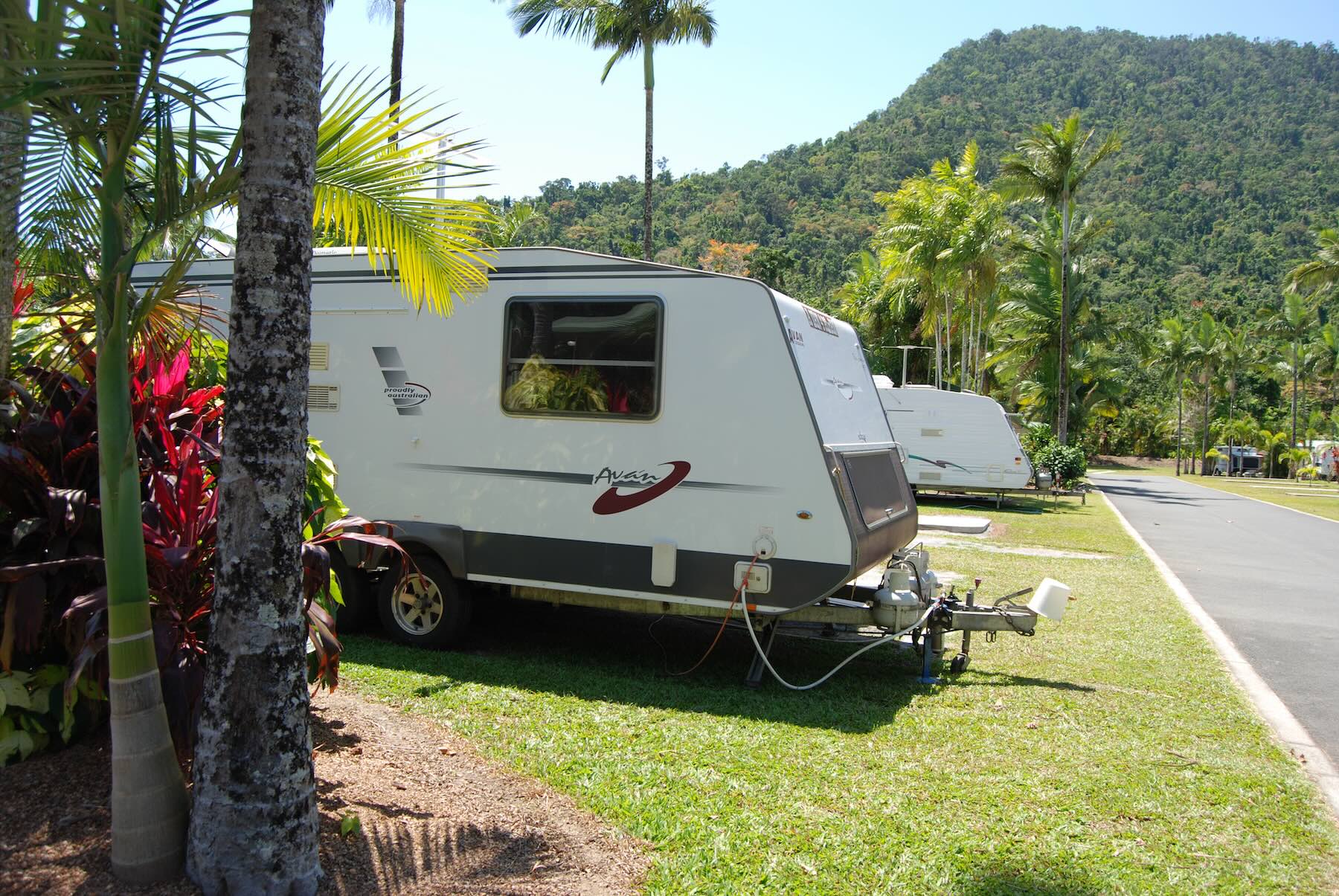
Here's something nobody tells you when you're planning your first caravan park holiday: getting great value isn't about finding the cheapest option. It's about making smart choices that match how you actually travel. The difference between a stressful, penny-pinching trip and a relaxed, well-planned adventure often comes down to knowing a few insider strategies.
Whether you're a family looking to stretch the holiday budget further or a first-time camper figuring out what you actually need, this guide covers the practical decisions that make the biggest difference. No vague advice about "shopping around", just concrete strategies you can use right now.
The Total Parks Difference: Our interactive map lets you filter parks by exactly what you need: powered or unpowered sites, cabins, pet-friendly facilities, and more. Compare options across regions without endless tab-switching, and find parks that match your travel style.
The Smart Traveller's Mindset
Let's be clear about what "value" means. It's not about the lowest nightly rate, it's about what you get for what you spend. A powered site with excellent facilities, happy kids, and a good night's sleep is better value than a cheaper option where you're stressed, uncomfortable, and counting the hours until checkout.
Smart camping means:
- Matching your accommodation to your actual needs – not what you think you should need
- Timing your trips strategically – a few days either side can make a huge difference
- Using park facilities effectively – many travellers don't realise what's included
- Planning ahead – but not so far ahead you lose flexibility
Timing: When You Travel Matters More Than Where
Shoulder Season Magic
The difference between peak and shoulder season isn't just about crowds, it's about the entire experience. Travel in March to May or September to November and you'll find:
- Better site selection – Premium spots that book out months ahead in summer are suddenly available
- Quieter parks – Fewer families means less noise, more space, and a more relaxed atmosphere
- Pleasant weather – Autumn and spring deliver mild temperatures perfect for outdoor activities
- Park staff with time – Outside peak periods, staff can offer recommendations and help you settle in
| Season | Crowds | Weather | Availability |
|---|---|---|---|
| Summer (Dec–Feb) | Peak | Hot | Book months ahead |
| Autumn (Mar–May) | Moderate | Mild | Good availability |
| Winter (Jun–Aug) | Low | Cool | Best availability |
| Spring (Sep–Nov) | Moderate | Warming | Good availability |
For families: The two weeks after Easter and the period between Melbourne Cup and Christmas are particularly good windows. School's in but the weather's warming up.
Weeknight Wins
Here's a strategy that experienced travellers swear by: travel midweek whenever possible. Monday to Thursday, most parks are significantly quieter, and many offer lower rates for weeknight stays.
The maths works like this: a four-night midweek stay often provides better value than a two-night weekend stay, even if the nightly rate were the same, but it usually isn't. Factor in the quieter experience, better site selection, and less time fighting traffic, and midweek travel becomes an obvious choice for anyone with flexibility.
When it works best:
- Retirees and grey nomads with complete flexibility
- Families with pre-schoolers (before school locks you into term dates)
- Remote workers who can shift their office location
- Anyone taking leave who can start mid-week rather than Friday
Avoiding Peak Premiums
School holidays, long weekends, and major events drive demand, and rates, through the roof. If you must travel during these periods, book as early as possible and consider:
- Less popular regions – Everyone heads to the coast; regional parks inland often have availability
- Shorter stays – A strategic three-night stay beats an overpriced week
- Alternative accommodation – If premium sites are booked, an unpowered site might still be available
Site Selection: Powered vs Unpowered
One of the biggest decisions for camping newcomers is whether to book a powered or unpowered site. The answer depends entirely on how you travel.
When Unpowered Sites Make Sense
Unpowered sites work brilliantly when:
- You're tent camping and don't need to run appliances
- Your van has good battery capacity and solar panels
- You're staying short-term (one or two nights)
- You want a more secluded, back-to-basics experience
- You're travelling light and keeping things simple
Many experienced campers prefer unpowered sites even when powered options are available. They're often positioned in quieter, more natural parts of the park, away from the main amenities block bustle.
When Powered Sites Are Worth It
Powered sites become essential when:
- You're travelling with a fridge that needs constant power
- Air conditioning is non-negotiable (summer in Queensland, anyone?)
- You're staying multiple nights and want to charge devices, run lights, etc.
- You're travelling with young kids who need night lights, bottle warmers, or entertainment
- Your setup lacks solar or sufficient battery storage
The hybrid approach: Some savvy travellers book unpowered sites but bring a quality portable power station. This gives flexibility: you get the benefits of the quieter unpowered section while still running essentials. It's an upfront investment that pays off over multiple trips.
Using Total Parks to Compare
On Total Parks, you can filter specifically for:
- Powered Sites - Parks with powered options for caravans and campers
- Unpowered Sites - Parks offering unpowered camping
- Tent Sites - Dedicated areas for tent campers
This lets you compare parks based on what you actually need, rather than scrolling through options that don't suit your setup.
BYO Camping vs Cabin Stays
The Case for Bringing Your Own Gear
If you already own camping gear (tent, swag, or caravan), bringing it yourself delivers the best long-term value. Yes, there's the upfront investment, but:
- Nightly rates are lower – Site fees are always less than cabin rates
- You know your setup – Your own gear means familiar comfort
- Flexibility increases – You're not dependent on cabin availability
- It gets cheaper over time – The more you use your gear, the better the value
For first-timers: Don't rush out and buy everything before your first trip. Borrow gear from friends, try a cabin stay to test whether park camping suits you, or hire equipment for a trial run. There's no point investing in a tent if you discover you prefer the comfort of a cabin.
When Cabins Make Sense
Cabins aren't just for people without camping gear. They're genuinely the smarter choice when:
- Weather is unpredictable – A cabin provides certainty when conditions might turn
- You're travelling with very young children – Temperature control and proper beds make everyone happier
- It's a short trip – The setup and pack-down time for camping gear might not be worth it for a single night
- You're testing the waters – First-time visitors can experience park life without the gear commitment
- Facilities matter – Ensuite cabins beat shared amenities blocks for some travellers
Editor's Tip: BIG4 Aireys Inlet Holiday Park on the Great Ocean Road offers excellent glamping options that bridge the gap between camping and cabin accommodation: canvas walls and outdoor connection, but with proper beds and comfort. It's a brilliant option for couples or families wanting the camping atmosphere without the gear.
The Weekly Rate Advantage
Planning a longer stay? Always ask about weekly rates. Most parks offer significant discounts for seven nights or more, making an extended trip much more affordable than multiple shorter visits.
Weekly stays also let you:
- Settle into a routine – Less time setting up and packing down
- Explore the region properly – Day trips without relocating your base
- Use park facilities fully – Actually swim in the pool, use the camp kitchen, explore the walking trails
- Build relationships – Get to know neighbours, chat with park staff, discover local tips
Park Facilities That Add Value
Camp Kitchens
Most holiday parks include camp kitchens in your site fee, and they're genuinely useful. A typical camp kitchen offers:
- Stoves and ovens (save your gas)
- Fridges and freezers (backup for your own)
- Sinks and washing-up facilities
- Covered dining areas
- Sometimes microwaves, toasters, and kettles
Smart use: Cook your main meals in the camp kitchen and keep your own setup for morning coffee and simple meals. This saves gas, keeps your site cleaner, and gives you a break from cooking in cramped spaces.
BBQ Areas
Free BBQs are standard at most parks, and they're usually better than what you've brought. Quality plate BBQs that get properly hot, under cover for weather protection, with nearby seating. Use them.
Laundry Facilities
On longer trips, park laundries save you packing a fortnight's worth of clothes. A mid-trip wash means lighter luggage and fresher gear.
Recreation Facilities
Swimming pools, jumping pillows, playgrounds, games rooms: these aren't just kid entertainment. They're included in your site fee, and they give children something to do while adults relax. A park with great facilities effectively extends your accommodation value.
Smart Planning Tips
What to Bring
Packing smartly reduces reliance on expensive convenience stores and takeaway:
Food essentials:
- Pantry staples (oil, salt, pepper, basic spices)
- Long-life milk as backup
- Snacks for unexpected hunger (car snacks save money)
- Coffee and tea supplies (skip the café for morning brews)
Cooking gear:
- A good camp stove or portable cooker
- Basic pots and pans
- Sharp knife and cutting board
- Reusable containers for leftovers
Comfort items:
- Quality camp chairs (cheap ones break and hurt your back)
- Adequate bedding for the season
- Lighting for evenings at the site
- Entertainment that doesn't need power (cards, books, board games)
Meal Planning
The biggest money leak on camping trips is unplanned eating out. You don't need to eliminate restaurants (they're part of the holiday), but having a rough meal plan prevents the expensive "I'm too tired to cook, let's just get takeaway" trap.
A simple framework:
- Breakfasts at the site (always)
- Packed lunches for day trips
- Dinners: alternate between cooking at camp and eating out
- One planned "special meal" rather than multiple convenience purchases
Booking Strategy
Book early for:
- School holidays
- Long weekends
- Peak summer coastal spots
- Specific sites you want (waterfront, shaded, near facilities)
Book later for:
- Midweek shoulder season stays
- Inland destinations
- Winter travel (except tropical north)
- Trips where flexibility matters more than specific sites
Parks That Deliver Value
BIG4 Launceston Holiday Park, Tasmania
BIG4 Launceston Holiday Park exemplifies smart value. Excellent facilities, a brilliant location for exploring northern Tasmania, and the kind of well-maintained park that makes every dollar feel well spent.
Why it works for value-conscious travellers:
- Central location – Base yourself here and day-trip to Cradle Mountain, the Tamar Valley, and the east coast
- Great facilities – Heated pool, jumping pillow, and quality amenities included in your stay
- LexFun next door – Tasmania's largest indoor entertainment centre means rainy days aren't wasted
- Cataract Gorge nearby – World-class natural attraction just minutes away, completely free
Tasmania itself offers excellent value for camping, less crowded than mainland hotspots, spectacular scenery, and parks that maintain high standards without premium prices.
BIG4 Aireys Inlet Holiday Park, Victoria
For Great Ocean Road trips, BIG4 Aireys Inlet Holiday Park delivers outstanding value across every accommodation type, from sites to glamping tents.
Why it works:
- Location, location – Walking distance to the beach, the iconic Split Point Lighthouse, and the village's cafes
- Quieter than Lorne – All the Great Ocean Road appeal without the peak-season madness
- Range of options – From unpowered sites to glamping, something for every budget
- Excellent facilities – Quality amenities that feel well-maintained and welcoming
The Surf Coast region rewards longer stays. Book a week and explore Apollo Bay, the Otways, and the Twelve Apostles without the cost of moving between parks.
Finding Your Park on Total Parks
The Total Parks interactive map makes comparison simple. Use filters to narrow down:
By accommodation type:
- Powered Sites
- Unpowered Sites
- Cabins Available
- Glamping
- Tent Sites
By facilities:
- Swimming Pool
- BBQ Areas
- Camp kitchen
- Laundry
- Dump Point
By features:
- Pets Allowed
- Drive-through Sites
- WiFi
Start broad (maybe a state or region), then filter down based on what matters for your trip. Compare a handful of options, check their locations, and make a confident booking.
The Bottom Line
Smart camping isn't about cutting corners. It's about making informed choices that stretch your holiday further without compromising the experience. Travel in shoulder season, consider weeknight stays, choose the right site type for your setup, and make the most of park facilities you're already paying for.
The best trips happen when you're not stressed about money. A bit of planning upfront (choosing the right timing, packing smart, booking strategically) means you can relax and enjoy the reason you're camping in the first place: beautiful locations, quality time with family, and that irreplaceable feeling of being away from it all.
Start with our interactive map to compare parks, filter for what you need, and find your next adventure. The perfect park is out there, and now you know how to get the most from it.
Find your perfect park and start planning your next adventure.
Browse All ParksEnjoyed this article? Follow @totalparks for weekly camping tips and park spotlights.