
Queensland Winter Sun: Grey Nomad's Guide to the Tropics
Escape the southern chill and head north. Your complete guide to Queensland's tropical holiday parks from the Sunshine Coast to Cairns.
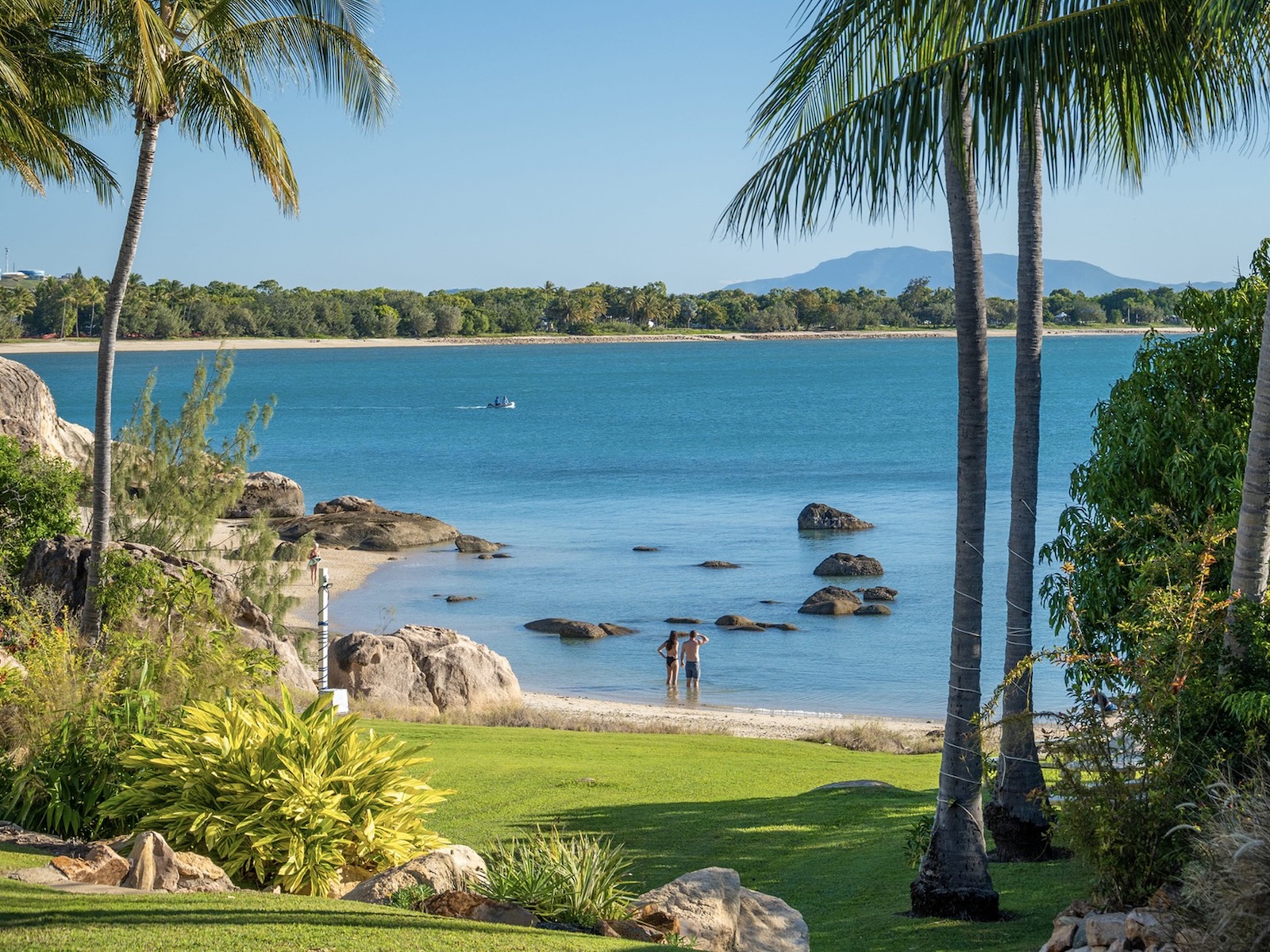
Every year, as the southern states turn cold and grey, thousands of caravans and motorhomes start rolling north. It's one of Australia's great seasonal migrations: grey nomads chasing the winter sun to Queensland's tropical paradise.
If you've been dreaming of swapping the heater for a ceiling fan, trading frost for warm ocean breezes, and spending your winter months in shorts and thongs, this guide is for you.
Why Head North?
The numbers don't lie. While Melbourne shivers through average July maximums of 14°C and Hobart barely cracks 12°C, Cairns is basking in a comfortable 26°C. Brisbane sits at a pleasant 21°C. That's not just warmer, it's a completely different lifestyle.
But it's not just about the temperature. Queensland's dry season (May to October) offers:
- Perfect weather – Warm days, cool nights, minimal rain
- Whale watching season – Humpbacks migrate past the coast from June to November
- Fewer crowds – School's in, so parks are quieter during the week
- Extended stay deals – Many parks offer weekly and monthly rates
- Stunning natural attractions – Great Barrier Reef, Daintree Rainforest, and endless beaches
When to Make the Move
The Sweet Spot: May to September
Most grey nomads start their northern migration around April or May, as autumn settles in down south. The goal is to be established in tropical Queensland before the southern winter truly bites.
May–June: The dry season kicks in properly. Humidity drops, temperatures are ideal (mid-20s), and the wet season is well and truly over. Parks start to fill with fellow travellers.
July–August: Peak grey nomad season. The weather is glorious: warm days, cool evenings, almost no rain. This is when you'll need to book ahead for popular spots.
September: Still beautiful, though temperatures start climbing. Crowds begin thinning as some travellers head south for spring.
Avoiding the Wet Season
Whatever you do, don't plan to be in tropical Queensland during the wet season (November to April). The humidity becomes oppressive, afternoon storms roll in like clockwork, and some roads become impassable. Cyclone season runs from November to May, not the time you want to be towing a caravan through Far North Queensland.
The Route North: Sunshine Coast to Cairns
The classic grey nomad route follows the Bruce Highway north, with plenty of coastal detours along the way. Here's how the journey typically unfolds:
Sunshine Coast – Gateway to the Tropics
Distance from Brisbane: About 100km north
The Sunshine Coast marks where Queensland starts feeling properly tropical. Noosa, Mooloolaba, and Caloundra offer beautiful beaches, great cafes, and a relaxed vibe that's perfect for easing into your northern adventure.
What to do:
- Noosa National Park coastal walk
- Eumundi Markets (Wednesday and Saturday)
- Glass House Mountains day trip
- Australia Zoo (home of the Irwin family legacy)
Climate: Warm and subtropical. June–August averages around 21°C, pleasant but not yet tropical.
Fraser Coast – Whales, K'gari, and Laid-Back Living
Distance from Brisbane: 290km to Hervey Bay
This is where many grey nomads settle in for an extended stay. Hervey Bay has earned its reputation as the "Caravan Capital of Australia" for good reason. The town genuinely welcomes long-term visitors, and the facilities reflect it.
What to do:
- Whale watching – Hervey Bay is famous for it. Humpbacks rest in the calm waters from July to November, and boat tours get you remarkably close
- K'gari (Fraser Island) – The world's largest sand island. Day tours available, or take your 4WD across if you're adventurous
- Bundaberg – The rum distillery tour is a rite of passage for any Australian road tripper
- Mon Repos turtle rookery – If you're still around in November, this is where turtles come to nest
Climate: Subtropical perfection. Winter days average 22°C with minimal humidity. This is one of the most comfortable climates in Australia during winter.
Capricorn Region – Southern Great Barrier Reef
Distance from Brisbane: 620km to Rockhampton
The Capricorn Region is where the tropics truly begin. Cross the Tropic of Capricorn just south of Rockhampton, and you're officially in tropical Australia.
What to do:
- Great Keppel Island – A short ferry ride from Yeppoon, with stunning beaches and snorkelling
- Rockhampton – The beef capital of Australia (the free-roaming brahman bulls are quite the sight)
- Capricorn Caves – Ancient limestone caves with cathedral-like chambers
- Byfield National Park – Coastal wilderness with empty beaches
Climate: Tropical, but not extreme. Winter maximums around 24°C. The humidity starts becoming noticeable as you head further north.
The Whitsundays – Island Paradise
Distance from Brisbane: 1,130km to Airlie Beach
Airlie Beach is the gateway to the Whitsunday Islands, 74 islands scattered across crystal-clear waters. Even if you're travelling by caravan, the Whitsundays are worth a detour for a boat day trip or sailing adventure.
What to do:
- Whitehaven Beach – Consistently rated one of the world's best beaches. Day trips run from Airlie Beach
- Heart Reef – Scenic flights over this naturally heart-shaped coral formation
- Airlie Beach Lagoon – Free swimming pool right on the foreshore
- Sailing tours – From half-day trips to multi-night adventures
Climate: Tropical and warm. Winter averages 24°C with low humidity, absolutely perfect.
Tropical North Queensland – The Ultimate Destination
Distance from Brisbane: 1,700km to Cairns
This is it. The end of the line for many grey nomads, and what a place to stop. Cairns and its surrounds offer the full tropical experience: the Great Barrier Reef, ancient rainforests, and a laid-back lifestyle that makes it hard to leave.
What to do:
- Great Barrier Reef – Day trips from Cairns and Port Douglas. Snorkelling or diving, there's nothing else like it on Earth
- Daintree Rainforest – The world's oldest tropical rainforest. Take the ferry across the Daintree River and explore
- Port Douglas – A more upmarket alternative to Cairns, with Four Mile Beach and Sunday markets
- Kuranda – The "Village in the Rainforest." Take the scenic railway up and the Skyrail back down
- Atherton Tablelands – Cooler temperatures, waterfalls, and crater lakes just an hour from Cairns
Climate: True tropics. Winter days average 26°C with comfortable humidity. The evenings are mild, you might even need a light jumper after sunset.
Planning Your Extended Stay
One of the best things about being a grey nomad is time. You're not rushing to squeeze everything into a two-week holiday. Here's how to make the most of an extended tropical stay:
Weekly and Monthly Rates
Many holiday parks offer significant discounts for longer stays. When searching for parks on Total Parks, look for weekly rate options. You'll often save 15–30% compared to nightly rates. Monthly rates can bring even bigger savings.
Storage and Mail
If you're staying put for a while:
- Most larger parks can hold mail for guests
- Some parks offer secure storage for extra gear
- Consider a mail redirection service through Australia Post for longer trips
Health Considerations
The tropics require a bit of extra attention:
- Sun protection – The Queensland sun is serious. Slip, slop, slap isn't just a jingle up here
- Hydration – You'll need more water than you think, especially if you're not used to the heat
- Mozzies – Tropical mosquitoes are persistent. Pack repellent and consider a screened annexe
- Medical access – Cairns and Townsville have major hospitals. For anything serious, these are your best bets
Staying Connected
Good news for those who need to stay in touch: mobile coverage along the main coastal route is generally excellent. Most parks offer WiFi, and you'll find plenty of 4G/5G coverage from Cairns to Brisbane.
On Total Parks, you can filter parks by WiFi availability if staying connected is important for you.
Making the Most of Total Parks
If you're planning a multi-month tropical adventure, Total Parks makes the research easy:
Save your rig details – Enter your caravan or motorhome dimensions once, and every search automatically shows parks with sites that fit your setup. No more guessing whether you'll squeeze into that powered site.
Filter by features – Looking for pet-friendly parks? Need a dump point? Want laundry facilities? The filters let you narrow down exactly what you need.
Browse by region – Queensland is divided into regions on Total Parks, making it easy to plan your route north. Browse the Sunshine Coast, Fraser Coast, Capricorn, Whitsundays, and Tropical North Queensland separately.
Check availability – See what's available before you commit. During peak grey nomad season (July–August), this is particularly handy for popular areas.
Practical Tips for the Journey
Driving the Bruce Highway
The Bruce Highway is Australia's longest national highway, stretching over 1,600km from Brisbane to Cairns. Some tips:
- Take your time – This isn't a race. Break the journey into comfortable stages
- Fill up regularly – Fuel prices vary significantly, and some stretches have limited options
- Watch for trucks – Road trains are common, especially further north. Give them plenty of room
- Rest stops – Queensland has excellent rest areas. Use them – fatigue is a serious risk on long drives
What to Pack
Beyond your usual gear, tropical Queensland calls for:
- Lightweight, breathable clothing
- Quality sunscreen (SPF 50+)
- Insect repellent
- A good hat with a wide brim
- Reef-safe sunscreen if you're planning to snorkel
- A portable fan or two for those warm evenings
Wildlife Awareness
Queensland's wildlife is spectacular, and sometimes dangerous:
- Crocodiles – In tropical Queensland, assume any body of water could contain crocs. Stick to designated swimming areas
- Stingers – Marine stingers (box jellyfish and irukandji) are present in coastal waters from November to May, another reason to visit in winter
- Cassowaries – These large birds live in the Daintree region. They're shy but can be dangerous if threatened, give them space
Your Winter Awaits
There's a reason grey nomads have been making this journey for decades. Queensland's tropical coast offers everything you need for a brilliant winter escape: warm weather, stunning natural attractions, welcoming communities, and parks that understand what long-term travellers need.
The annual migration north isn't just about avoiding the cold. It's about embracing a different pace of life, meeting fellow travellers, and experiencing some of Australia's most spectacular landscapes.
Pack the van, point the nose north, and chase that winter sun. Queensland is waiting.
Ready to chase the winter sun? Browse holiday parks from the Sunshine Coast to Far North Queensland.
Browse Queensland ParksEnjoyed this article? Follow @totalparks for weekly camping tips and park spotlights.