
First-Time Camping: Everything You Need to Know
New to camping? This beginner's guide covers caravan park terminology, what to pack, what to expect, and tips for a stress-free first trip.
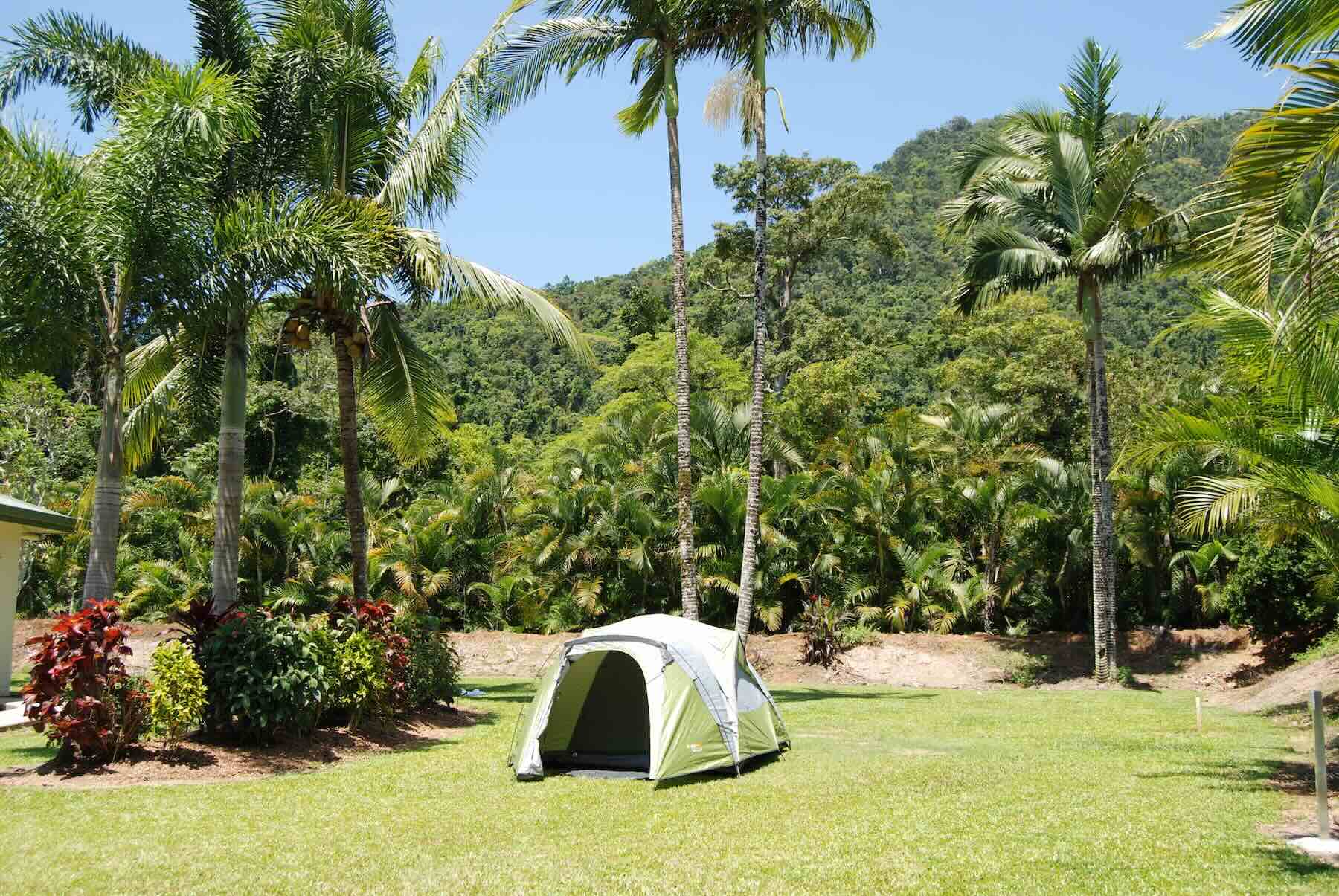
So you've seen mates photos of campfires under the stars, woken up envious of friends stories about beach camping with the kids, or just fancy escaping the city for a bit. Welcome! Camping and caravan parks are one of Australia's great traditions, and getting started is easier than you might think.
This guide covers everything you need to know for your first trip: what all those confusing terms mean, what to pack, what to expect when you arrive, and tips to make your first camping experience a ripper.
Why Give Camping a Go?
Before we dive into the practical stuff, here's why millions of Aussies choose caravan parks and campgrounds every year:
- Value for money – A family cabin or campsite costs a fraction of a hotel, and you'll often get more space
- Connection with nature – Wake up to birdsong, not traffic. Kids can run free instead of being shushed in hotel corridors
- Community – Parks have a friendly, relaxed vibe. You'll chat with neighbours, share tips, and maybe make lifelong friends
- Flexibility – From basic tent sites to fully-equipped cabins, there's an option for every comfort level and budget
- Aussie tradition – There's something special about continuing a tradition that generations of Australian families have enjoyed
Park Terminology: What Does It All Mean?
One of the most confusing things for newcomers is the jargon. Here's your glossary:
Site Types
| Term | What It Means |
|---|---|
| Powered site | A campsite with an electrical outlet. You can plug in lights, charge phones, run a small fridge or fan. Most common site type. |
| Unpowered site | No electricity, just a patch of ground for your tent or camper. Usually cheaper. |
| Ensuite site | A powered site with its own private bathroom attached. Great for those who prefer not to share facilities. |
| Slab site | A concrete pad for caravans (easier to level and cleaner in wet weather). |
| Drive-through site | You can drive in one end and out the other, no reversing needed. Mainly relevant for caravans. |
| Grass site | Exactly what it sounds like, your tent goes on grass rather than dirt or gravel (beware - seasonal!). |
Facilities
| Term | What It Means |
|---|---|
| Amenities block | The shared building with toilets and showers. Most parks have several spread around. |
| Camp kitchen | A communal cooking area with BBQs, sinks, sometimes stoves, fridges, and microwaves. |
| Dump point | Where caravans and motorhomes empty their waste tanks. Not relevant for tent campers! |
| Laundry | Cash/card operated washers and dryers, handy for longer stays. |
| Kiosk/Reception | Where you check in, buy basics (milk, ice, firewood), and ask questions. |
Accommodation Types
| Term | What It Means |
|---|---|
| Tent site | BYO tent, sleeping gear, and everything else. The most affordable option. |
| Cabin | A self-contained unit with beds, bathroom, and usually a kitchenette. Just bring food and clothes. |
| Villa/Unit | A larger, more upmarket cabin, often with multiple bedrooms and full kitchen. |
| Glamping | "Glamorous camping" – think safari tents, bell tents, or eco-pods with proper beds and sometimes ensuites. |
| Caravan site | A spot to park your caravan or camper trailer. |
No Tent? No Worries!
Here's a secret: you don't need any camping gear to stay at a holiday park. Cabins and glamping options mean you can rock up with just a bag of clothes and some groceries.
Best options for first-timers without gear:
- Standard cabin – Beds with linen, bathroom, kitchenette, heating/cooling. Like a basic motel but in a park setting.
- Glamping tent – The "camping experience" without the setup. Proper beds, often fairy lights and stylish décor.
- Ensuite cabin – A step up with more space and your own outdoor area.
If you do want to try tent camping but don't own gear, some parks hire out tents, swags, and camping equipment. Worth asking when you book.
What to Expect When You Arrive
Check-In
Most parks have reception hours (typically 8am–6pm, but varies). If you're arriving late, check the booking confirmation for after-hours check-in instructions. Most parks will send these through automatically.
You'll be given:
- Your site or cabin number
- A park map
- WiFi details (if available)
- Info about facilities, quiet hours, and check-out time
Finding Your Site
Follow the map to your allocated spot. For campsites, you'll see numbered markers or signs. Cabins are usually clearly labelled.
Campsite tip: Take a moment to check the ground is level and clear of rocks or ant nests before setting up your tent.
Facilities
Amenities blocks are usually unlocked and available 24/7. They'll have:
- Toilets and showers (hot water included)
- Mirrors, power points, and hand basins
- Often a baby change area and accessible facilities
Camp kitchens vary. Some are basic (just a BBQ and sink), others have full stoves, fridges, toasters, kettles, and seating areas.
Park Etiquette
A few unwritten rules that'll help you fit right in:
- Quiet hours – Usually 10pm–7am. Keep noise down, especially music and generators.
- Speed limits – Parks have kids and pets everywhere. Stick to the 10km/h limit.
- Clean up – Leave camp kitchens and amenities as you found them.
- Pets on leads – Unless in a designated off-leash area.
- Fire rules – Only use designated fire pits, and check if there's a total fire ban.
Packing Checklist for First-Timers
For a Cabin Stay (Easy Mode)
You really just need:
- Clothes and toiletries
- Food and drinks (or eat at the park kiosk/nearby town)
- Phone charger
- Torch (for walking to facilities at night)
- Esky with ice for drinks
- Games, books, or activities
- Sunscreen and insect repellent
For Tent Camping (Full List)
Shelter & Sleeping
- Tent (practice setting it up at home first!)
- Sleeping bags or swags
- Sleeping mats or air mattresses
- Pillows
- Ground sheet or tarp
Cooking & Eating
- Portable stove or plan to use camp kitchen BBQ
- Pots, pans, utensils
- Plates, bowls, cups
- Cooler/esky with ice
- Food and drinks
- Tea towel and washing-up liquid
- Rubbish bags
Comfort & Safety
- Camp chairs
- Table (optional but handy)
- Torch or lantern (headlamps are great)
- First aid kit
- Sunscreen and hat
- Insect repellent
- Spare batteries
Personal
- Toiletries (don't forget thongs for the shower!)
- Towel
- Clothes for all weather (it can get cold at night, even in summer)
- Raincoat or umbrella
Tips for a Stress-Free First Trip
1. Start Close to Home
For your first camping trip, choose a park within 2-3 hours of home. If something goes wrong or you forget something crucial, you're not too far from backup. The South Coast, Central Coast, or regional areas near any capital city have plenty of beginner-friendly options.
2. Pick a Park with Good Facilities
Look for parks with:
- Clean, modern amenities
- Camp kitchen (so you don't have to cook everything yourself)
- Reception that's staffed during the day
- A kiosk or shop for forgotten essentials
3. Book Ahead (Especially in Peak Periods)
School holidays, long weekends, and summer holidays book out months ahead at popular parks. For your first trip, avoid the busiest times if you can. You'll have more space, quieter neighbours, and often better rates.
4. Arrive in Daylight
Setting up camp in the dark is no fun, especially your first time. Aim to arrive by mid-afternoon so you've got time to settle in, explore the park, and maybe have a swim before dinner.
5. Pack More Layers Than You Think
Even in summer, nights can be surprisingly cold. Bring a jumper, trackies, and an extra blanket. You can always peel off layers if it's warm.
6. Don't Overplan
Leave room for spontaneity. Some of the best camping memories come from unexpected moments: a kangaroo at dawn, a chat with neighbours, an impromptu fish and chips run.
7. Embrace the Simple Things
Camping isn't about luxury. It's about slowing down, being outdoors, and spending quality time with family or friends. The slightly wonky tent, the smoke from the BBQ, the communal camp kitchen chat, that's all part of the charm.
Choosing the Right Park
Not all parks are created equal. Here's what to look for as a beginner:
Check Photos and Reviews
Look for recent photos of:
- Amenities blocks (are they clean and modern?)
- Camp kitchen facilities
- General park grounds
- The type of site or cabin you're booking
Reviews from families or first-timers are especially useful.
Consider Location
Think about what you want to do. Beach walks? Bushwalking? Visiting wineries? Choose a park that puts you close to your planned activities, or one with enough on-site facilities (pool, playground, activities) that you don't need to go anywhere.
Check the Details
Before booking, look for answers to common first-timer questions in the park listing:
- Is there shade on the campsites?
- How far is the amenities block from the sites?
- Is equipment hire available?
- What's provided in the cabin?
- Are there shops or food nearby?
Good parks list all this information upfront, so you know exactly what you're getting.
You've Got This
Here's the thing: everyone was a first-timer once. The grey nomads with their immaculate rigs? They had a dodgy first trip too. The family in the next campsite who seem to have it all together? They forgot the tent poles once upon a time.
Camping is forgiving. Parks are welcoming. And Australians have been doing this for generations because it works: it's affordable, it's fun, and it creates memories that outlast any resort holiday.
So pack the car, book that site, and give it a crack. The campfire's waiting.
Ready to Start?
Ready to take the plunge? Find beginner-friendly parks across Australia.
Browse All ParksEnjoyed this article? Follow @totalparks for weekly camping tips and park spotlights.