
Darwin to Uluru: NT's Ultimate Outback Adventure
Plan your epic 2-3 week Northern Territory road trip. From Darwin to the Red Centre, discover Kakadu, Katherine Gorge, and Uluru.
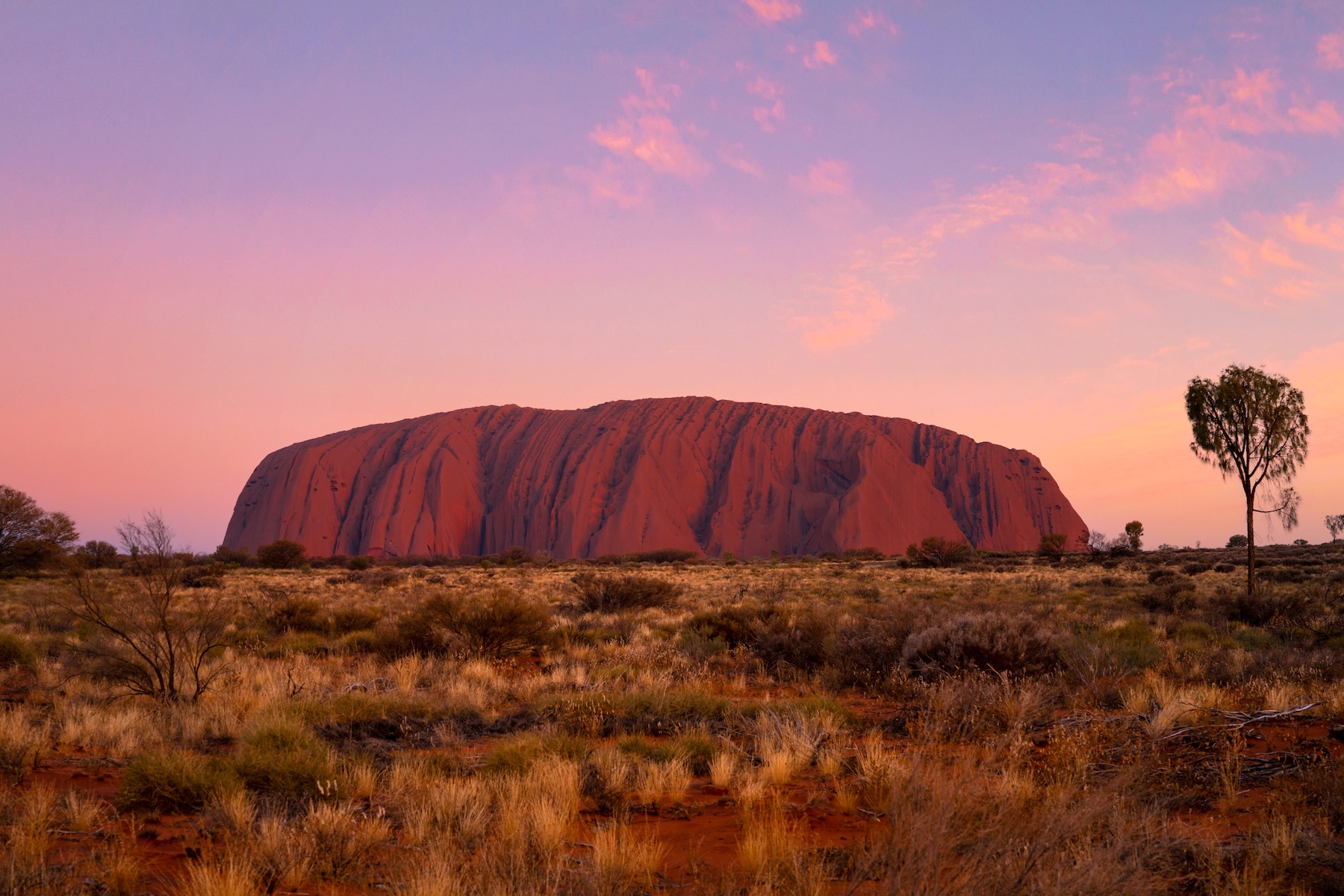
The Northern Territory is where Australia gets properly wild. From the tropical wetlands of Kakadu to the ancient red monolith of Uluru, this is a journey through landscapes that have barely changed in millions of years, and have been home to the world's oldest continuous culture for over 65,000 years.
The Darwin to Uluru road trip is one of Australia's great adventures. It's not a drive you rush: give yourself two to three weeks to properly absorb the scale, the colours, and the sheer emptiness of the outback. This is country that demands respect, rewards preparation, and delivers experiences you simply can't find anywhere else on Earth.
Why the NT?
The Northern Territory offers something genuinely different:
- Ancient landscapes - Uluru is 550 million years old. The MacDonnell Ranges are older still. This is deep time made visible.
- Living Indigenous culture - Rock art galleries at Kakadu date back 20,000 years, and traditional owners share their stories at sites throughout the Territory.
- Extraordinary wildlife - Saltwater crocs in the Top End, red kangaroos in the desert, and wedge-tailed eagles circling overhead.
- Vast emptiness - The NT covers 1.4 million square kilometres with a population of just 250,000. Some stretches of road, you won't see another vehicle for an hour.
- Properly dark skies - Light pollution? What light pollution? The Milky Way here will stop you in your tracks.
For Grey Nomads and adventure seekers, this route ticks every box: epic natural wonders, well-established holiday parks, and the freedom of Australia's true outback.
When to Go: The Dry Season
This is critical: The Northern Territory has two seasons: the Wet (November to April) and the Dry (May to October). You want the Dry.
May to October: Perfect Conditions
The dry season offers:
- Comfortable temperatures - Warm days (25–32°C), cool nights (10–20°C)
- No humidity - The oppressive Top End humidity disappears
- Accessible roads - Outback roads are open and well-maintained
- Clear skies - Day after day of brilliant blue
- Peak wildlife - Animals congregate around waterholes
June to August: Peak Season
This is prime time. The weather is at its best, but so are the crowds. Book accommodation well ahead, especially around Kakadu and Uluru. Total Parks makes it easy to check availability and compare options.
Shoulder Seasons
May and September offer a good balance: excellent weather with fewer visitors. Early May can still see the tail end of the wet, while late September starts warming up.
Avoid the Wet Season
From November to April, the Top End transforms. Monsoonal rains flood roads, temperatures soar above 35°C with crushing humidity, and many attractions close entirely. Kakadu becomes largely inaccessible. Unless you're an experienced wet season traveller, stick to the Dry.
The Route Overview
Darwin → Kakadu (250km) → Katherine (300km) → Mataranka (110km) → Tennant Creek (670km) → Alice Springs (510km) → Kings Canyon (320km) → Uluru (300km)
Total distance: approximately 2,500km one way.
The route follows the Stuart Highway south, with a detour to Kakadu (via the Arnhem Highway) and the Red Centre Way loop at the end. Most travellers fly out of Uluru/Ayers Rock Airport or retrace the route north.
Stop 1: Darwin (2–3 Nights)
Your starting point and supply hub
Darwin is where tropical Australia meets frontier town. It's been flattened twice: by Japanese bombs in 1942 and Cyclone Tracy in 1974, and rebuilt both times with that resilient Top End spirit.
What to Do
Mindil Beach Sunset Market
From late April to October, this Thursday and Sunday evening market is unmissable. Food stalls from every cuisine imaginable, live music, and sunset over the Timor Sea. Get there early, grab a laksa or satay, and stake out a spot on the sand.
Crocosaurus Cove
Get face-to-face with saltwater crocodiles in the heart of the CBD. The "Cage of Death" puts you in a clear cylinder alongside a five-metre croc. It's terrifyingly brilliant.
Museum and Art Gallery of the Northern Territory
The Cyclone Tracy exhibit is genuinely moving: you stand in a darkened room as the sounds of the cyclone build around you. The Indigenous art collection is world-class.
Darwin Waterfront Precinct
A wave lagoon, swimming areas (croc-free, naturally), restaurants, and a pleasant waterfront walk. Good for a relaxed afternoon before hitting the road.
Before You Leave Darwin
Stock up here. Darwin has everything you need: supermarkets, camping stores, mechanics, and medical facilities. Once you head south, options become limited. Fill the fuel tanks, check the tyres, and load up on water and non-perishables.
Where to Stay
Darwin has several excellent holiday parks with powered sites, cabins, and facilities for big rigs. Browse Northern Territory parks on Total Parks and filter by the Darwin region to find your perfect base. Look for parks with drive-through sites if you're towing, as manoeuvring in tight spots after a day's driving is nobody's idea of fun.
Stop 2: Kakadu National Park (2–3 Nights)
Distance from Darwin: 250km (3 hours via Arnhem Highway)
Kakadu is Australia's largest national park, nearly 20,000 square kilometres of wetlands, escarpments, and rock art. It's dual World Heritage listed for both natural and cultural significance, and spending time here is genuinely humbling.
What to Do
Ubirr Rock Art
The rock art galleries at Ubirr are among the finest in Australia. Indigenous paintings span thousands of years, including the famous Rainbow Serpent and X-ray style fish. Climb to the lookout for sunset views across the Nadab floodplain. It's one of those moments that stays with you.
Nourlangie Rock
Another spectacular rock art site with sheltered galleries and views of the Lightning Dreaming escarpment. The main gallery features paintings from multiple eras, showing how styles evolved over millennia.
Yellow Water Billabong
Take a boat cruise on this wetland teeming with birdlife and crocodiles. Early morning and late afternoon cruises offer the best wildlife sightings and magical light. Seeing a four-metre saltie glide past your boat is a Top End rite of passage.
Jim Jim Falls and Twin Falls
During the dry season, these waterfalls are accessible via 4WD (Jim Jim) or boat (Twin Falls). The plunge pools beneath the escarpment are spectacular, though check conditions before swimming, as croc surveys determine whether it's safe.
Bowali Visitor Centre
Start here to get oriented. Excellent displays on Kakadu's ecology, Indigenous culture, and history. Pick up maps and check which areas are accessible during your visit.
Where to Stay
Kakadu has several accommodation options from basic campgrounds to full-service parks. Browse the Northern Territory listings on Total Parks to find options with the facilities you need. The park is huge, so consider staying in different areas to minimise driving.
Stop 3: Katherine & Nitmiluk (2 Nights)
Distance from Kakadu (Jabiru): 300km (3.5 hours)
Katherine is the Territory's third-largest town and the gateway to Nitmiluk (Katherine Gorge), a series of 13 sandstone gorges carved by the Katherine River over millions of years.
What to Do
Nitmiluk Gorge Cruises
The gorge system is stunning. Take a cruise through the first few gorges, with sheer orange and red walls rising from mirror-still water. Freshwater crocs bask on the rocks (they're generally harmless, though keep your distance). For the more adventurous, hire a canoe and paddle the upper gorges.
Nitmiluk Walking Tracks
Walks range from easy lookout strolls to multi-day hikes. The Baruwei Walk (12km loop) offers gorge views without the crowds. Serious hikers can tackle the Jatbula Trail, a 62km, 5-day walk to Leliyn (Edith Falls).
Leliyn (Edith Falls)
About 60km north of Katherine, this tiered waterfall and swimming hole is a local favourite. The upper pool offers a peaceful swim surrounded by pandanus palms. Camp here overnight if your schedule allows.
Katherine Hot Springs
Right in town, these thermal pools offer a relaxing soak after a day exploring. The naturally heated water flows year-round at a pleasant 32°C. Free entry and well worth a stop.
Where to Stay
Katherine has several holiday parks catering to caravans and motorhomes. Check Total Parks for options with the facilities you need. Some parks offer direct shuttles to the gorge, saving you the drive.
Stop 4: Mataranka & Daly Waters (1–2 Nights)
Distance from Katherine: 110km to Mataranka (1 hour), 270km to Daly Waters (3 hours)
This stretch introduces you to the true outback: wide open spaces, historic roadhouses, and thermal springs that feel like nature's own spa.
What to Do
Mataranka Thermal Pool
Also known as Rainbow Spring or the Elsey National Park thermal pool, this is pure magic. Crystal-clear 34°C water bubbles up from underground, surrounded by palm forest. The pool features in We of the Never Never, and swimming here at dusk, with fruit bats overhead, is unforgettable.
Bitter Springs
A few kilometres from Mataranka, this thermal stream lets you float through pandanus-lined channels. Bring a pool noodle and drift with the gentle current.
Daly Waters Pub
Australia's oldest outback pub is a must-stop. The walls are plastered with memorabilia: bras, business cards, currency from every country imaginable. The food is classic outback fare, the characters are genuine, and the evening shows are legendary. Even if you don't stay overnight, stop for a beer and a yarn.
Where to Stay
Mataranka and Daly Waters both have caravan parks and basic camping. These are smaller operations than the city parks, but they understand travellers' needs. Check Total Parks for options and reviews.
Stop 5: Devils Marbles / Tennant Creek (1–2 Nights)
Distance from Mataranka: 560km to Devils Marbles (6 hours), 670km to Tennant Creek (7 hours)
This is the longest driving stretch of the trip. The landscape shifts from tropical savannah to the red heart of the continent. The Devils Marbles (Karlu Karlu) make it worthwhile.
What to Do
Karlu Karlu (Devils Marbles)
These massive granite boulders, balanced precariously on each other, are sacred to the local Warumungu people. Geologically, they're the exposed core of an ancient mountain range, rounded by millions of years of erosion. Photographically, they're sensational, especially at sunrise and sunset when the rocks glow red and orange.
The basic campground here is worth an overnight stay just to watch the light change on the marbles. Facilities are minimal (toilets, no power), but the experience is pure outback.
Tennant Creek
The town itself is small but serves as the main service centre between Katherine and Alice Springs. The Battery Hill Mining Centre tells the story of the Territory's last gold rush. Stock up on fuel and supplies here.
Nyinkka Nyunyu Art and Culture Centre
This excellent interpretive centre in Tennant Creek showcases Warumungu culture through art, stories, and displays. A worthwhile stop to understand the country you're travelling through.
Where to Stay
Tennant Creek has several holiday parks with full facilities, a good chance to recharge after the long drive. The Devils Marbles campground offers a more basic but unforgettable alternative. Browse options on Total Parks.
Stop 6: Alice Springs (2–3 Nights)
Distance from Tennant Creek: 510km (5 hours)
Alice Springs, "the Alice", sits in the heart of the continent, surrounded by the MacDonnell Ranges. It's the natural hub of the Red Centre and deserves at least two nights.
What to Do
Alice Springs Desert Park
One of Australia's best wildlife parks, showcasing desert ecosystems and animals you'd rarely spot in the wild. The nocturnal house reveals the hidden world of bilbies, mala, and marsupial moles. The bird of prey show is spectacular.
Anzac Hill
Walk or drive to the top for 360-degree views of the town and surrounding ranges. Sunrise and sunset are prime times. The war memorial adds a contemplative note.
Royal Flying Doctor Service
The Alice is home to the original Flying Doctor base. The visitor centre tells the remarkable story of outback medical services, essential viewing for understanding remote Australia.
Old Telegraph Station
The original 1872 telegraph station is beautifully preserved, set among ghost gums by the waterhole that gave Alice Springs its name. Walking trails connect to the town centre.
Simpsons Gap
The closest of the West MacDonnell gorges, just 20km from town. Black-footed rock wallabies live in the gap, so arrive early morning for the best chance of spotting them.
Where to Stay
Alice Springs has the best range of holiday parks between Darwin and Uluru. Full facilities, powered sites for big rigs, and all the amenities you'd expect. Browse Northern Territory parks on Total Parks and filter for Alice Springs. This is a good spot to do laundry, stock up, and prepare for the final leg.
Stop 7: Kings Canyon & Uluru (3–4 Nights)
Distance from Alice Springs: 320km to Kings Canyon (4 hours), 460km to Uluru (5 hours direct)
The grand finale. These two destinations are bucket-list territory, among Australia's most iconic natural wonders.
Kings Canyon (Watarrka)
The sheer sandstone walls of Kings Canyon rise 100 metres from the desert floor. The Rim Walk (6km, 3–4 hours) is demanding but extraordinary: you'll peer into the Garden of Eden, a pocket of prehistoric cycads in a sheltered gorge.
Start early. The walk closes when temperatures exceed 36°C, and the morning light on the canyon walls is spectacular.
Uluru-Kata Tjuta National Park
Nothing quite prepares you for seeing Uluru in person. This 348-metre monolith dominates the flat desert landscape, changing colour constantly as the light shifts.
Uluru Base Walk
The 10km circuit around the base reveals a more intimate Uluru: waterholes, rock art, and sacred sites (some restricted from photography out of respect for traditional owners). Allow 3–4 hours.
Kata Tjuta (The Olgas)
Often overshadowed by Uluru, Kata Tjuta is equally spectacular: 36 domed rock formations rising from the desert. The Valley of the Winds walk (7.4km, 3–4 hours) winds between the domes and is arguably the best walk in the park.
Sunrise and Sunset
This is the main event. The designated viewing areas fill up quickly, but watching Uluru glow red, then purple, then deep ochre as the sun rises or sets is genuinely moving. Kata Tjuta sunsets are equally stunning and less crowded.
Field of Light
Bruce Munro's art installation, with 50,000 solar-powered stems that bloom with colour at dusk, has become a must-see. Book the sunrise or sunset experience.
Cultural Experiences
Uluru is a deeply sacred site for the Anangu people. Take a guided walk with traditional owners to understand the landscape through Indigenous eyes. The cultural centre is also excellent.
Where to Stay
Yulara is the service village for Uluru, with accommodation ranging from camping to luxury. Holiday parks here cater specifically to caravans and motorhomes. Check Total Parks for options with the facilities you need. Book well ahead during peak season, as Uluru is popular for good reason.
Big Rig Essentials
Travelling with a large caravan or motorhome? The Stuart Highway is sealed and well-maintained, but the NT demands preparation:
Road Conditions
- The Stuart Highway is fully sealed from Darwin to Alice Springs
- Side roads to attractions may be unsealed, so check conditions before towing
- Road trains are common, so give them plenty of room and time to pass
- Overtaking lanes are frequent but can be far apart
Fuel Planning
- Fill up at every opportunity, don't let the tank drop below half
- Fuel prices increase significantly as you head south from Darwin
- Major fuel stops: Darwin, Katherine, Mataranka, Daly Waters, Tennant Creek, Alice Springs, Yulara
- Carry extra fuel if venturing off the main highway
Site Sizes
When browsing parks on Total Parks, use the equipment size filters to find sites that fit your rig. Many outback parks have generous drive-through sites, but it's worth checking ahead.
What to Pack
The NT is remote. Pack accordingly:
- Water - Carry more than you think you'll need (at least 10 litres per person)
- Sun protection - Hat, sunscreen (SPF 50+), sunglasses. The desert sun is brutal.
- Fly nets - Outback flies are persistent. Head nets aren't optional.
- Warm layers - Desert nights get cold, especially June–August
- First aid kit - Medical help can be hours away
- Recovery gear - If you're venturing off sealed roads
- Binoculars - Wildlife spotting and star gazing
- Camera - The colours here are extraordinary
Wildlife and Safety
Crocodiles
In the Top End (Darwin, Kakadu, Katherine), assume any body of water contains saltwater crocodiles. They're fast, they're patient, and they're deadly. Obey all warning signs and swim only in designated areas.
Heat
The NT is hot. Stay hydrated, rest during the middle of the day, and never leave children or pets in vehicles. Heat exhaustion is a genuine risk.
Driving Fatigue
Distances are long, and the road can be hypnotic. Take regular breaks, swap drivers, and don't drive tired. The Stuart Highway has rest areas, so use them.
Wildlife on Roads
Kangaroos, cattle, and other animals are common on outback roads, especially at dawn and dusk. Avoid driving at night if possible.
Suggested Itinerary
| Region | Nights | Highlights |
|---|---|---|
| Darwin | 2–3 | Mindil Beach Market, Crocosaurus Cove |
| Kakadu | 2–3 | Ubirr rock art, Yellow Water cruise |
| Katherine | 2 | Nitmiluk Gorge, hot springs |
| Mataranka/Daly Waters | 1–2 | Thermal pools, historic pub |
| Devils Marbles | 1 | Sunrise/sunset at Karlu Karlu |
| Alice Springs | 2–3 | Desert Park, Simpsons Gap |
| Kings Canyon | 1–2 | Rim Walk |
| Uluru | 2–3 | Base walk, Kata Tjuta, sunrise/sunset |
Total: 14–20 nights
Ready for the Red Centre?
The Darwin to Uluru road trip is one of those journeys that changes how you see Australia. The scale, the silence, the ancient landscapes: they stay with you long after you've returned home.
With well-equipped holiday parks at each stop, this epic adventure is absolutely achievable in comfort. Whether you're travelling with a caravan, campervan, or camping setup, the NT has accommodation to suit.
Start planning your outback adventure today.
Find your perfect base in the Northern Territory
Browse NT ParksEnjoyed this article? Follow @totalparks for weekly camping tips and park spotlights.