
Accessible Parks: Camping Without Barriers
A practical guide to finding holiday parks with accessible facilities. What to look for, how to plan, and tips for a great accessible camping trip.
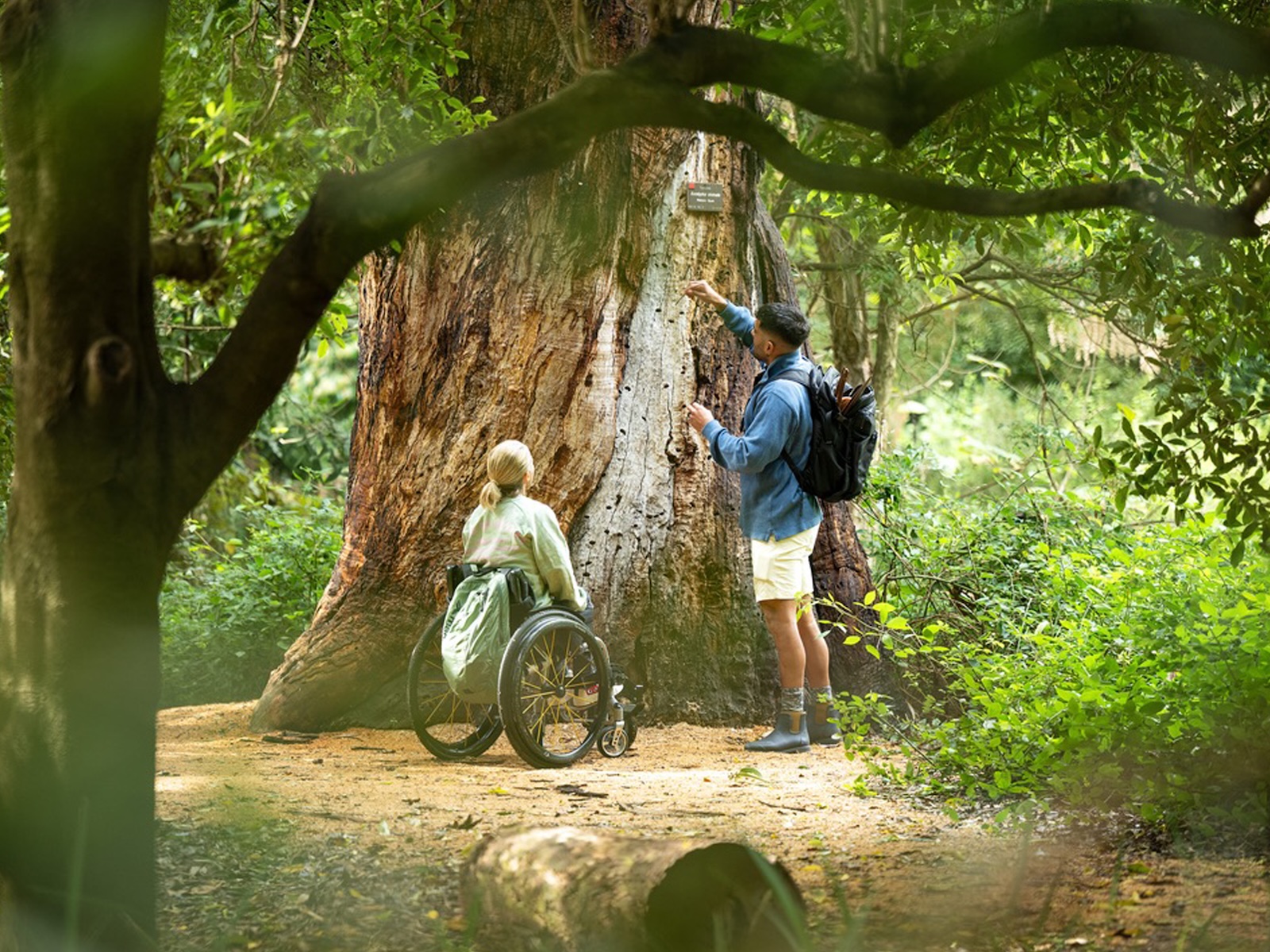
Camping and caravanning should be for everyone. Whether you use a wheelchair, have limited mobility, or travel with someone who does, the Australian holiday park experience doesn't have to be off-limits. The good news: more parks than ever are investing in accessible facilities, and with a bit of planning, you can find parks that genuinely work for your needs.
This guide covers what accessible actually means at holiday parks, what to look for when booking, and practical tips to make your trip run smoothly.
What "Accessible" Actually Means at Holiday Parks
The term "accessible" covers a spectrum. Some parks have done the bare minimum to comply with building codes. Others have genuinely thought about the experience and invested accordingly. Knowing what to look for helps you avoid disappointment.
Accessible Amenities Blocks
The amenities block is where accessibility matters most. Key features to look for:
| Feature | What It Means |
|---|---|
| Roll-in showers | No step or lip to navigate, with enough floor space for a wheelchair |
| Grab rails | Sturdy rails near toilets and in showers for support |
| Shower seats | Fold-down or fixed seating in accessible showers |
| Adequate turning space | Room to manoeuvre a wheelchair without a three-point turn |
| Accessible toilets | Higher seat height, grab rails, emergency pull cord |
| Non-slip flooring | Textured surfaces that stay safe when wet |
The best parks have dedicated accessible amenities separate from the main blocks, giving privacy and ensuring facilities are always available when you need them.
Wheelchair-Friendly Paths
Getting around the park matters as much as the amenities themselves. Look for:
- Sealed or compacted pathways between sites, amenities, and common areas
- Ramps rather than steps at buildings and level changes
- Wide pathways that accommodate wheelchairs and mobility aids
- Minimal gradients that don't require assistance to navigate
Older parks sometimes have accessibility retrofitted, which can mean a good amenities block but gravel paths to reach it. Newer parks or those recently renovated tend to have more consistent accessibility throughout.
Accessible Cabins
If you're staying in a cabin rather than your own setup, accessibility varies significantly:
Entry and layout:
- Ramped or level entry (no steps)
- Wider doorways (at least 820mm clear opening)
- Open floor plan with space to move
- Lowered light switches and power points
Bathroom:
- Roll-in shower with seat and grab rails
- Accessible toilet height with rails
- Adequate turning circle
- Non-slip flooring
Bedroom:
- Space beside the bed for wheelchair transfer
- Adjustable bed height (at some parks)
Accessible cabins are typically limited in number, so book well ahead, especially during school holidays and peak seasons.
Powered Sites
Even if you're travelling with your own caravan or camper, site selection matters:
- Firm, level ground - Compacted gravel or concrete pads are easier than soft grass
- Proximity to amenities - The closer, the better, especially for night-time access
- Drive-through sites - Easier setup without unhitching on difficult terrain
- Power and water connections - Check they're at an accessible height
What to Look For When Booking
Check the Park Description
On Total Parks, park descriptions often mention accessible facilities. Look for specific mentions of:
- Accessible amenities or bathrooms
- Wheelchair-accessible cabins
- Sealed pathways or all-abilities access
Vague terms like "accessible location" (meaning easy to reach by car) aren't what you're after. Look for specific facility mentions.
Look at the Photos
Photos tell you more than descriptions sometimes. Check for:
- Images of amenities blocks showing space and grab rails
- Pathway surfaces visible in park overview shots
- Cabin entrances showing ramps or level access
Use the Filters
Total Parks lets you filter parks by features including accessibility. Use the accessible filter to narrow your search to parks that have specifically listed accessible facilities.
Consider the Park Type
Some generalisations hold true:
Larger chain parks (BIG4, NRMA, Discovery Parks, Reflections) typically have better accessible facilities. They have standardised requirements across their networks and the budgets to invest in proper accessibility. Many have won accessibility awards.
Newer parks or recently renovated parks tend to have accessibility built in from the design stage, rather than retrofitted.
Council-run parks vary widely. Some are excellent, others have older facilities that haven't been updated.
Smaller family-run parks can be hit-or-miss. Some go above and beyond with personal service, others have limited facilities overall.
Planning Your Accessible Trip
Before You Book
- Save your equipment details on Total Parks if you're travelling with a caravan or motorhome. When booking through Total Parks, we'll only show sites that can accommodate your rig.
- Check the specific cabin or site you'll be allocated. Not all sites or cabins at a park will have the same accessibility level.
- Note special requirements in your booking. Whether you need a site close to amenities, a particular bed configuration, or ground-floor accommodation.
Equipment to Consider
Depending on your needs, these can make accessible camping easier:
- Portable ramps for caravan or camper entry
- Shower chair if park facilities don't have fixed seating
- Grab rail suction handles for additional bathroom support (temporary installation)
- Mobility aids appropriate for outdoor terrain (some wheelchair wheels handle gravel better than others)
- Torch with hands-free option for night-time amenities trips on uneven paths
Site Setup Tips
Once you arrive:
- Check the path to amenities before setting up. If it's not suitable, ask if you can move to a closer site.
- Position your setup for easiest access. Awning on the amenities side, entrance facing level ground.
- Meet the park managers and let them know your needs. They often have local knowledge about the easiest routes and best-maintained facilities.
- Test the amenities early. If something's not working, report it while there's time to fix it or arrange alternatives.
Travelling with Carers or Support Workers
If you travel with a carer or support worker:
- Cabin configurations matter. Some accessible cabins have separate bedrooms, others don't. Check the layout suits your situation.
- Site space should accommodate your setup plus any support vehicles.
- NDIS participants may be able to use Supported Independent Living (SIL) or Short Term Accommodation (STA) funding for accessible holiday accommodation. Check with your plan manager.
Parks That Go Above and Beyond
Some parks have made accessibility a genuine priority rather than an afterthought. Features that distinguish the best:
- Beach wheelchairs available for loan at coastal parks
- Accessible fishing platforms and pontoons
- Pool hoists for swimming pool access
- Mobility scooter charging stations
- Accessible playground equipment
- Staff trained in accessibility awareness
These extras show a park that's actually thought about the experience, not just ticked compliance boxes.
Accessibility Beyond the Park
The park is your base, but the surrounding area matters too. When choosing a location:
- Beach access - Some beaches have wheelchair-accessible matting or beach wheelchairs available
- National parks - Many have accessible walking trails and viewing platforms
- Town facilities - Accessible public toilets, parking, and attractions in nearby towns
- Medical facilities - Distance to hospitals or medical centres if relevant to your needs
Common Challenges and Solutions
"The accessible site was booked out"
Book early, especially for school holidays. Accessible sites and cabins are limited, and families with accessibility needs often plan months ahead.
"The path looked accessible in photos but wasn't in reality"
Photos don't always show the full picture. Recent renovations may have improved things, or recent damage may have made paths worse. If you arrive and find conditions aren't as described, speak to management immediately.
"The accessible amenities were occupied by people who didn't need them"
Unfortunately common. Some parks have accessible facilities separate from main blocks to reduce this issue. If it's persistent, raise it with management, as they should address it.
"Our site was too far from the amenities"
If you didn't request proximity at booking, ask on arrival if you can move. Most parks will accommodate if they have space.
A Note on Attitudes
Most park staff are helpful and accommodating. But attitudes towards disability vary, and occasionally you'll encounter someone who doesn't quite get it. If you experience access issues:
- Be specific about what you need and why
- Ask to speak to a manager if frontline staff can't help
- Leave reviews mentioning accessibility (good or bad) to help future travellers
Positive reviews for parks that get accessibility right encourage others to invest in improvements.
Finding Accessible Parks on Total Parks
We've made it easier to find parks that welcome everyone. Use the accessible filter when searching to see parks with accessible facilities. You can combine this with other filters like location, pet-friendly, or accommodation type to find exactly what you need.
The interactive map lets you see parks across Australia and check what's near accessible beaches, national parks with boardwalks, or towns with good facilities.
Every Australian deserves to experience the freedom of camping and caravanning. With a bit of research and planning, accessible parks are waiting, and the memories you'll make are worth the extra effort to find them.
Find parks with accessible amenities, cabins, and facilities across Australia.
Browse Accessible ParksEnjoyed this article? Follow @totalparks for weekly camping tips and park spotlights.